
ACL Rehab: What to Expect at Every Stage of Recovery
A torn ACL is one of the most feared injuries in sport — but with the right protocol, a full return is not just possible, it's the norm. Here's what your recovery timeline actually looks like.

Durga Joshi
Lead Musculoskeletal and Sports Physiotherapist
10 April 2025
7 min read
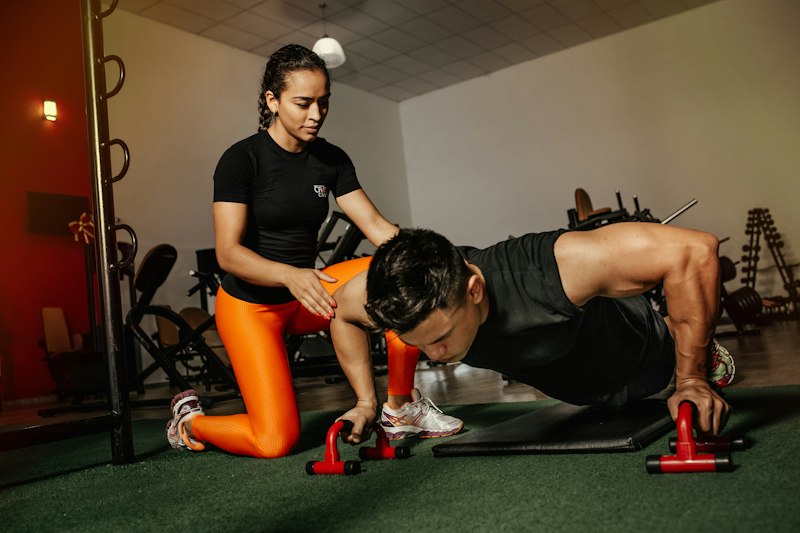
An ACL rupture brings your training to a full stop, but it doesn't have to end your sporting life. At Stance, we've guided hundreds of athletes through reconstruction and back to competitive sport — and the single biggest factor in outcome quality is the quality of the rehabilitation protocol.
Phase 1 — Weeks 0–6: Protecting the Graft
Immediately after surgery, the priority is protecting the new graft while managing swelling and beginning to restore range of motion. You'll work on quad activation, straight-leg raises, and gentle knee flexion. Full weight-bearing in an extension brace is typically introduced within the first week.
Ice, elevation, and compression in the first 72 hours significantly reduce effusion and allow faster progression into active rehab.
Phase 2 — Weeks 6–12: Rebuilding Strength
Once range of motion is restored and swelling is controlled, the focus shifts to regaining quad and hamstring strength. Closed-chain exercises — squats, leg press, step-ups — form the backbone of this phase. We use VALD Force Decks to objectively measure limb symmetry, targeting a Limb Symmetry Index (LSI) above 70% before progressing.
Phase 3 — Months 3–6: Neuromuscular Control
Strength alone isn't enough to return safely to sport. This phase introduces progressive plyometrics, agility drills, and sport-specific movement patterns. Balance and proprioception training is critical — the graft is strong enough to tolerate load, but the nervous system needs retraining to protect the joint in dynamic situations.
Phase 4 — Months 6–9: Return-to-Sport Testing
Return to sport is earned through objective testing, not time alone. Our battery includes single-leg hop tests, quad and hamstring strength assessment (LSI >90%), and psychological readiness scoring. Athletes who pass all criteria demonstrate a significantly lower re-injury rate than those cleared on time alone.
Research shows athletes who reach an LSI of 90% or above before returning to sport have a re-rupture risk roughly 4× lower than those who return at 70%.
Ready to take the next step?
Our clinical team is ready to build a personalised plan around your goals.
Book an Assessment